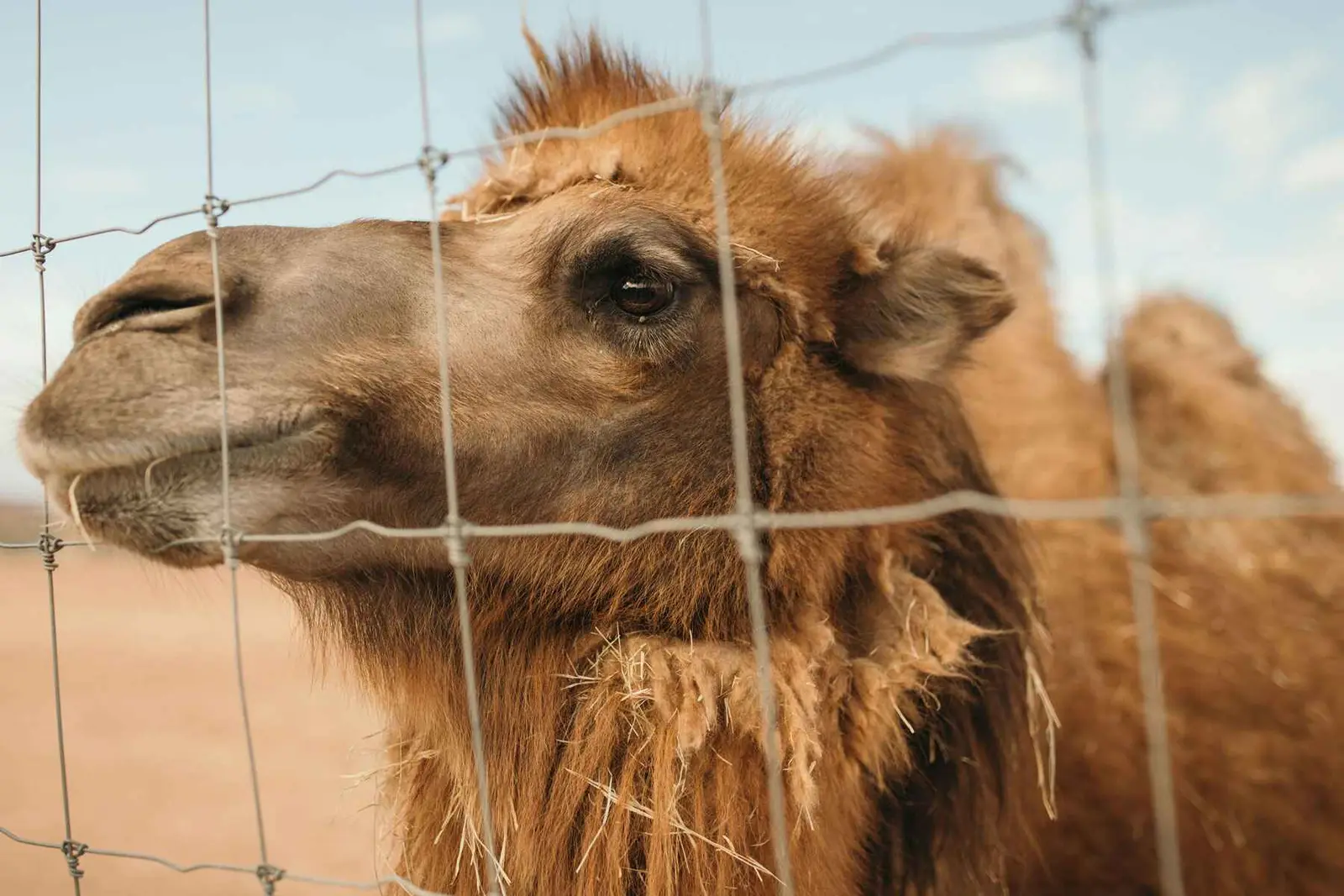
Dromedary camels
Camelus dromedarius · one hump
Meet the animals
Camel Safari's collection centers on dromedary and Bactrian camels and may also include our two-toed sloth, Thorn the African crested porcupine, New Guinea singing dogs, alpacas, a llama, a zedonk, miniature equines, and Tank the sulcata tortoise. Visibility varies on every guided visit.
These experiences take place at Camel Safari in Bunkerville near Mesquite, not on the Las Vegas Strip. Advance reservations are required.
Information reviewed August 24, 2026
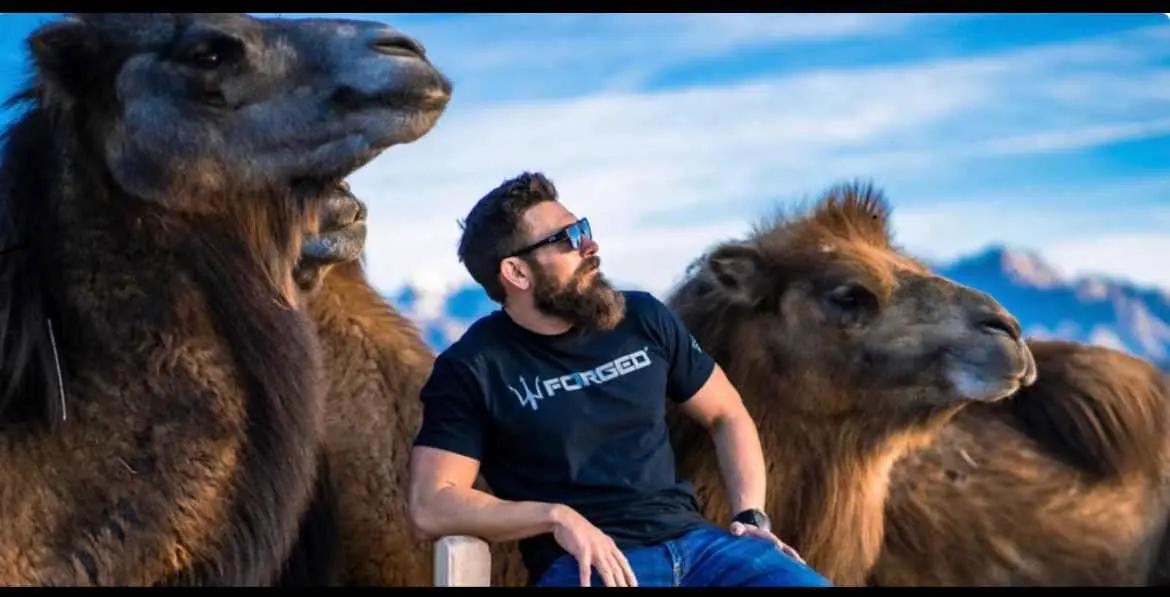
More than 30 camels
Dromedary and Bactrian
Unusual mammals and reptiles
Visibility varies
Dromedary camels (Camelus dromedarius) have one hump and are adapted to hot, arid regions. Domestic Bactrian camels (Camelus bactrianus) have two humps and trace their history to colder parts of Central Asia.
Alpacas (Vicugna pacos) and llamas (Lama glama) are South American camelids. Seeing the species near one another helps guests compare body size, ears, coats, feet, and the many adaptations shared across the camelid family.
Our two-toed sloth belongs to the genus Choloepus. Thorn is an African crested porcupine (Hystrix cristata). Each has a different daily rhythm, diet, habitat, and way of responding to guests.
New Guinea singing dogs are known for distinctive vocalizations. The animal family may also include a zedonk—a zebra-donkey hybrid—miniature equines, and Tank, a sulcata or African spurred tortoise (Centrochelys sulcata).
A keeper chooses the day's route and interactions. An animal may be resting, off view, receiving care, or simply uninterested in participating. A guided visit is an opportunity to observe what the animals are actually doing, not a promise of a fixed performance.
A few of the residents
These are real Camel Safari animals. A photograph does not guarantee that the individual will be visible on a particular tour.
Camelus dromedarius · one hump
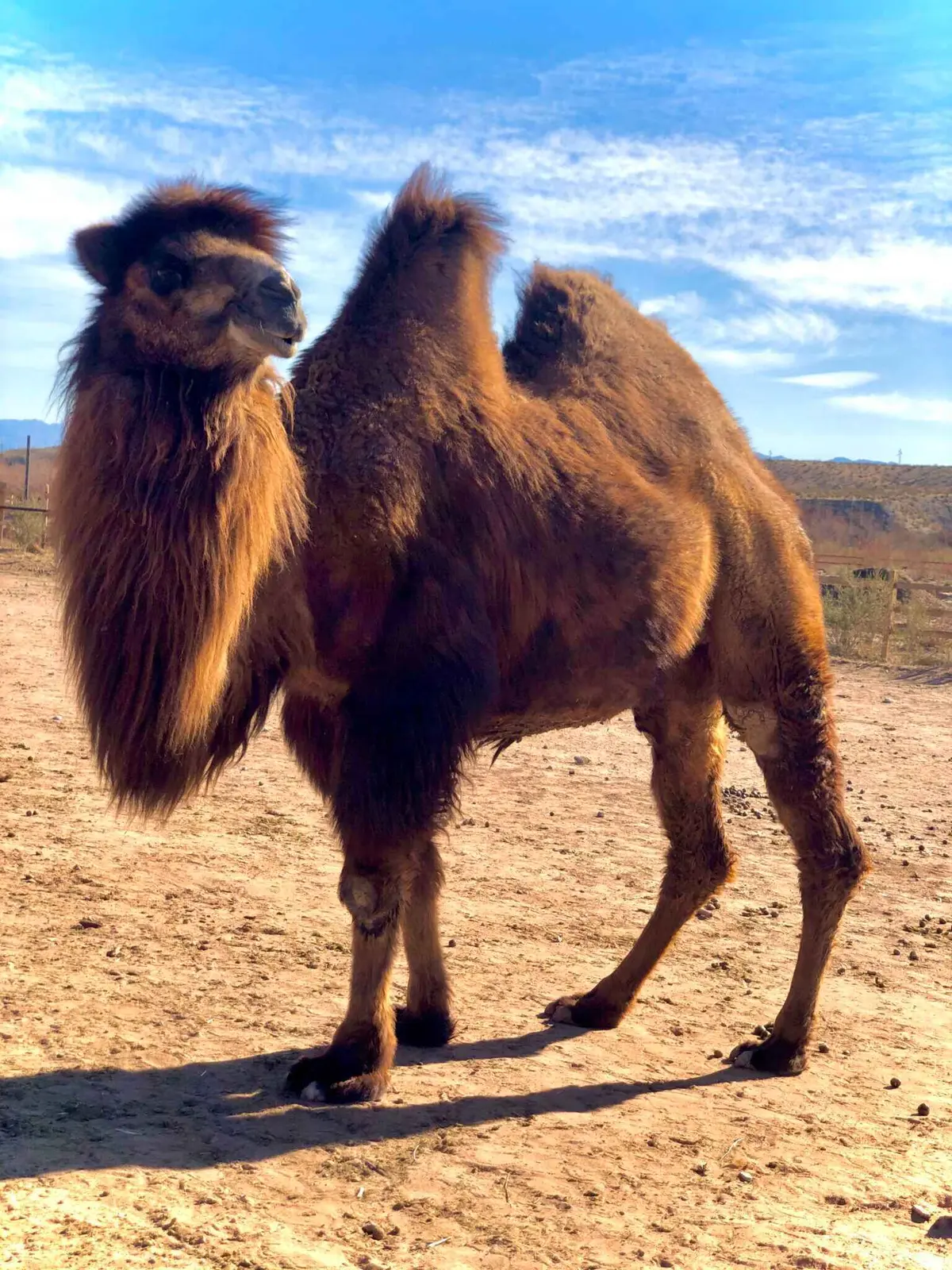
Camelus bactrianus · two humps
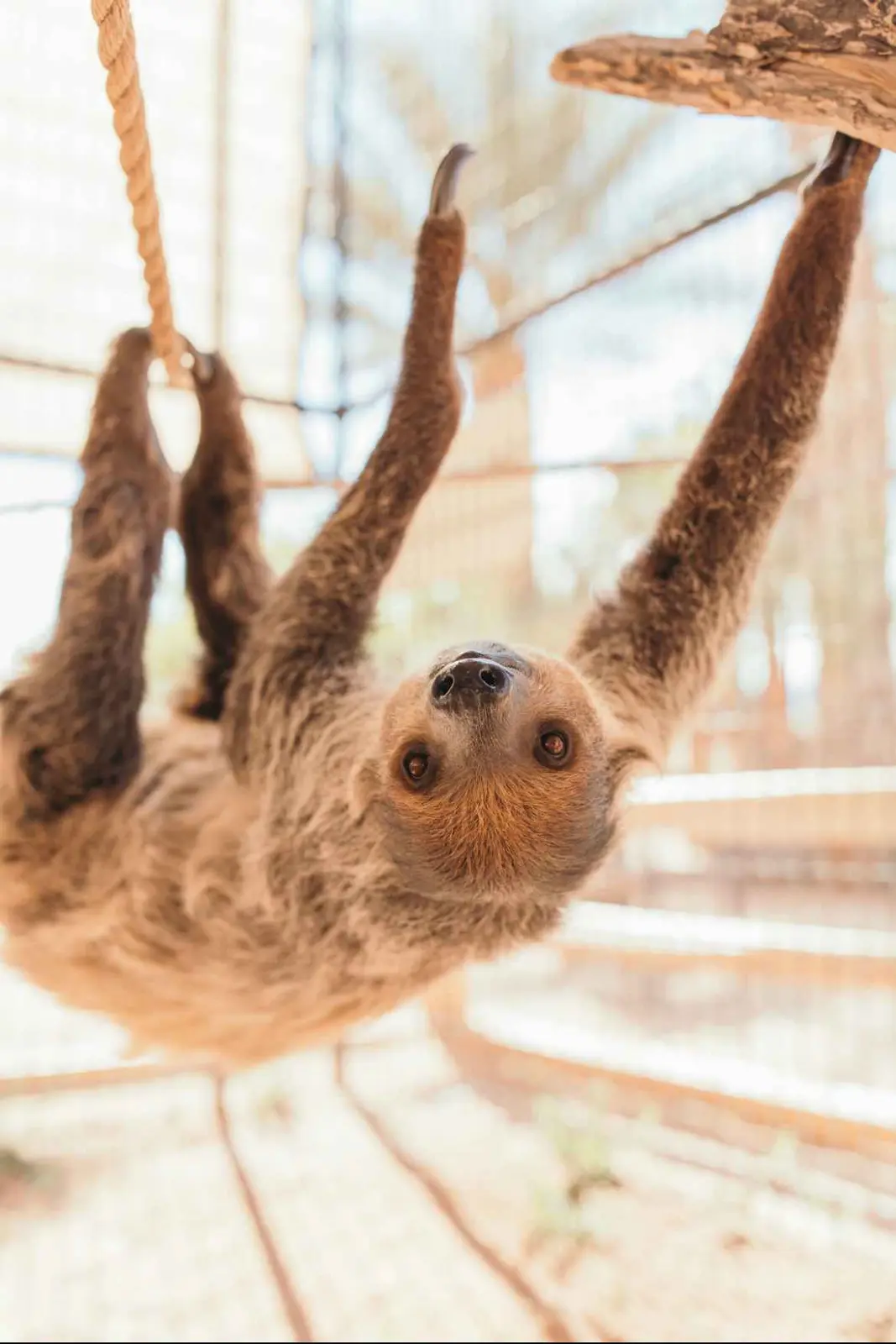
Choloepus species · two-toed sloth
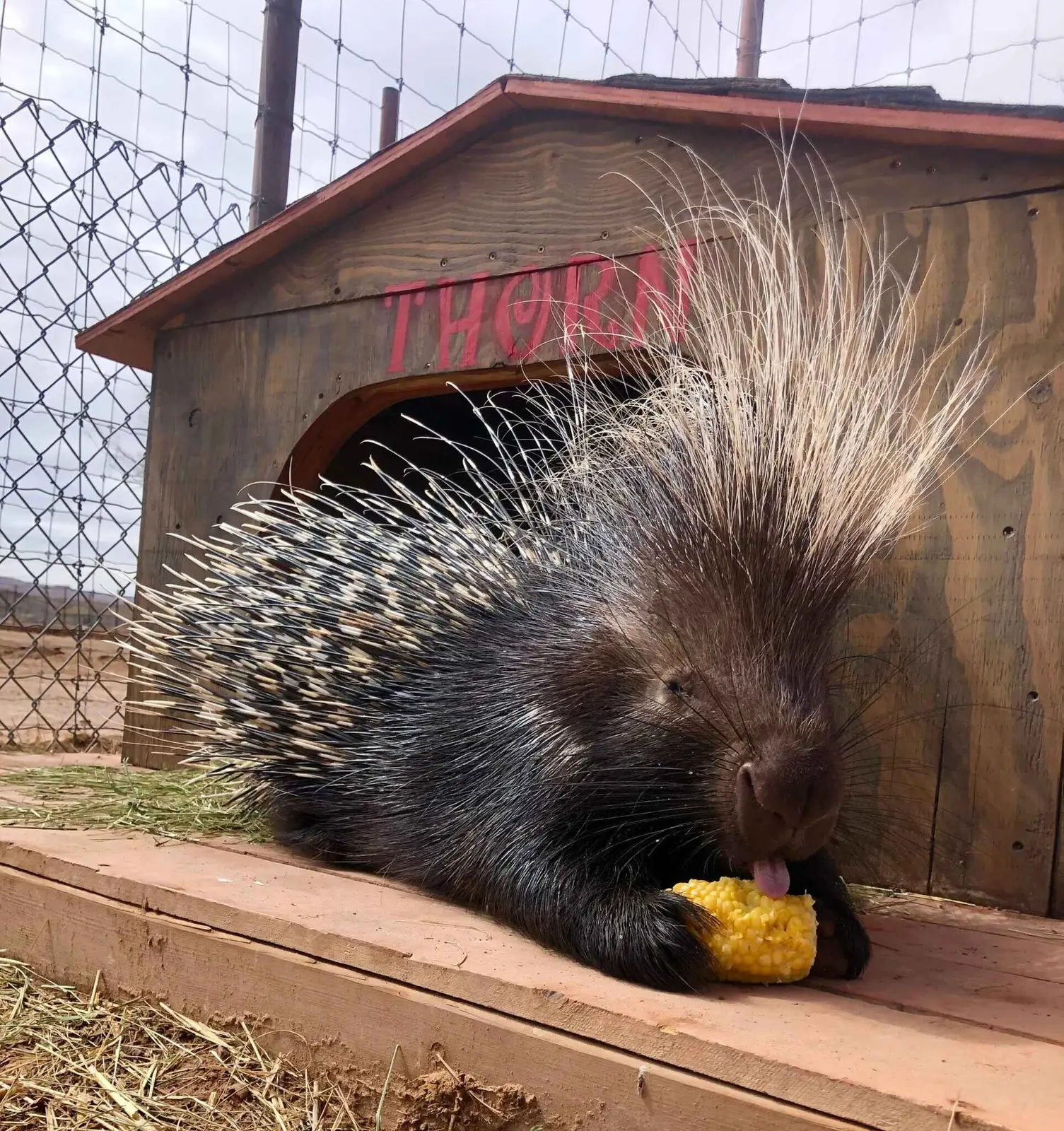
Hystrix cristata · Thorn
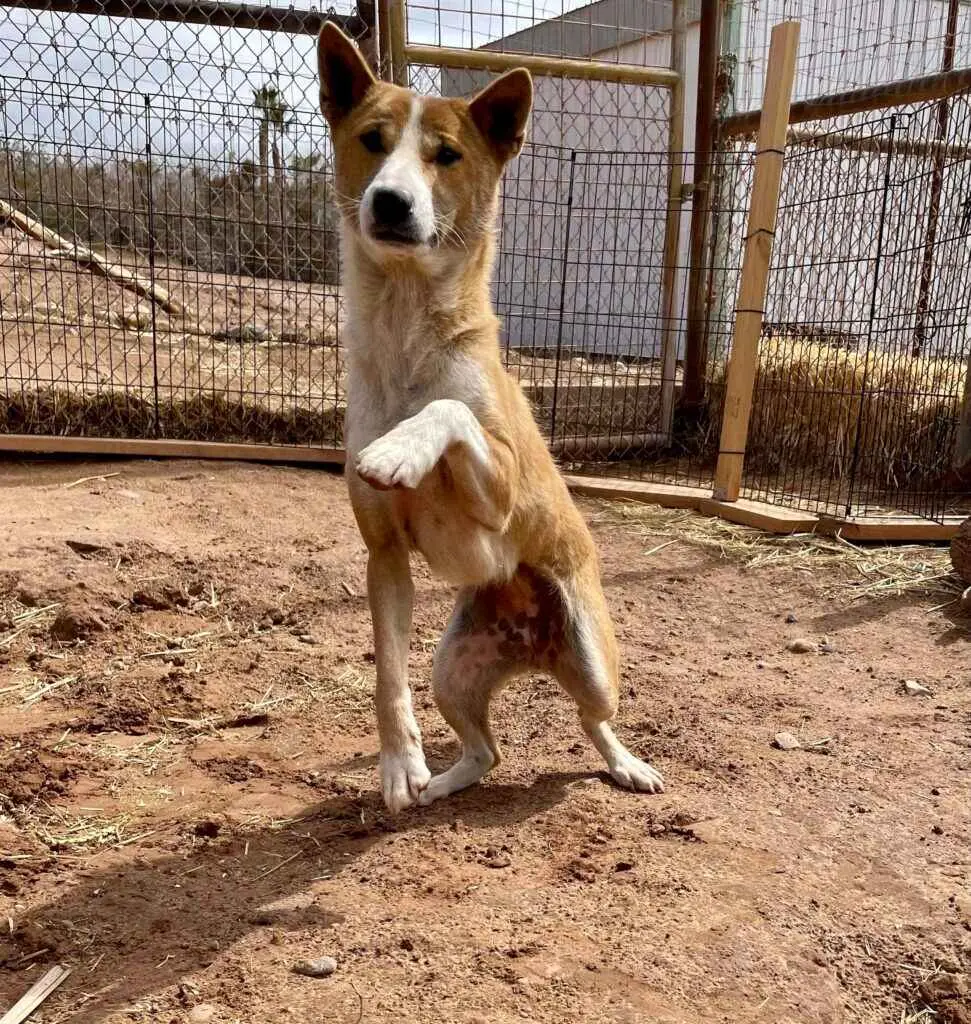
Rare canids · known for distinctive vocalizations
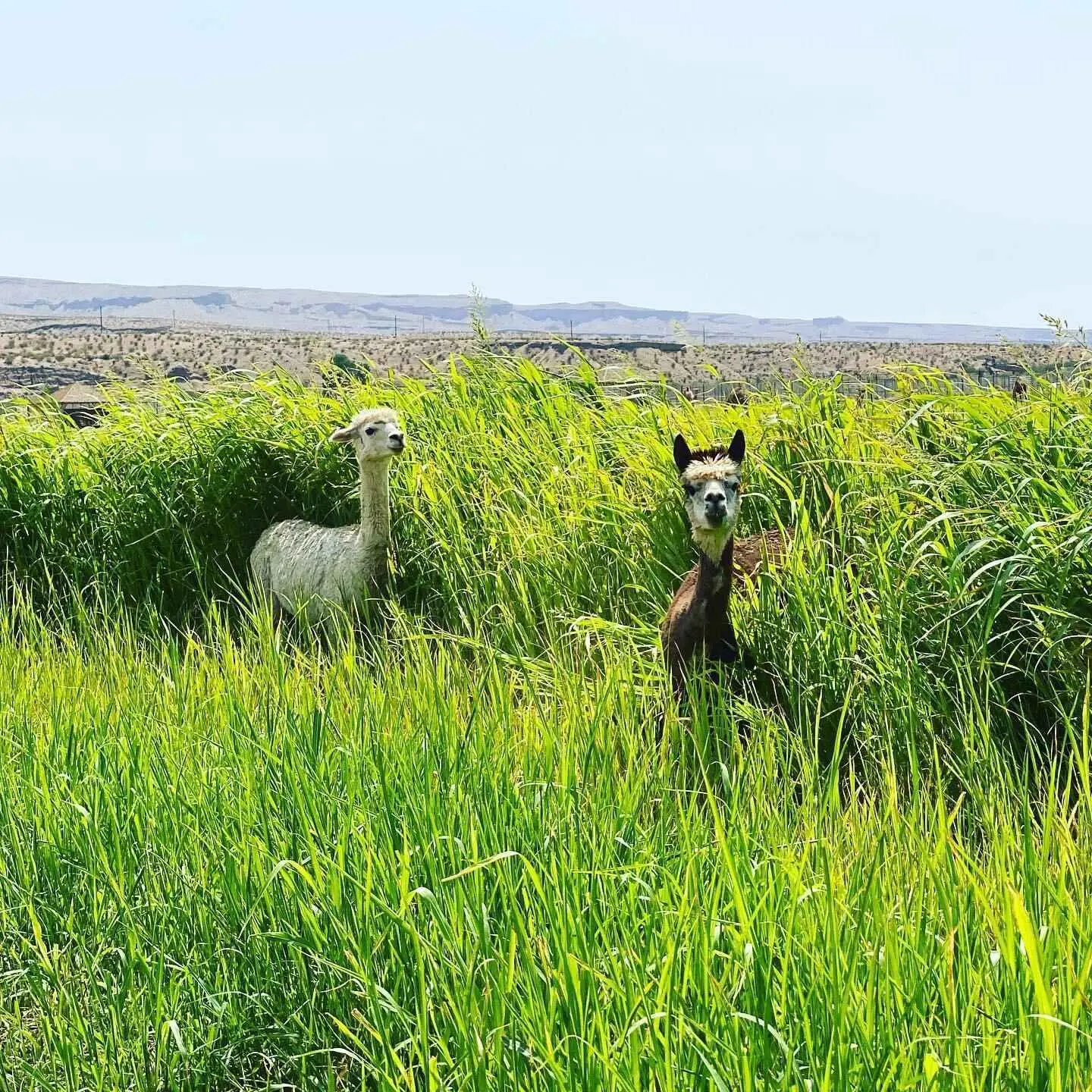
Vicugna pacos · South American camelids
Clear answers
Camel Safari is home to more than 30 camels.
A dromedary has one hump; a domestic Bactrian camel has two. Their coats and adaptations also reflect different environmental histories.
No. Visibility and participation vary with animal needs, weather, and operations.
Only when staff direct it. Physical contact is never guaranteed.
The sloth encounter is an add-on to eligible tours. General visibility and add-on availability must be confirmed.
Reservation-only in Bunkerville
Use the current calendar for availability and complete terms, or ask Camel Safari about a private group.